
Tango
Posted: 27 June 2011 Filed under: COZY CORNER, Inspired Writing, Photography, Uncategorized 2 Comments Untangle me in a wind-chime and make me sing; tangle me in a tango and make me cry
Samosa
Posted: 26 June 2011 Filed under: KITCHEN, for recipes, Samossa, Uncategorized | Tags: food_photography, main_dish, persian_cooking; booteh_recipes, sidedish 2 CommentsSamosa is popular snack in many Iranian cities too, (just as it is in central and south Asia, many African and all Middle eastern countries) In Iran, sambooseh is reputed to be best prepared by Abadanis. Samosa is also largely a savory “street food” – one you would buy in specialized restaurants or off a kiosk or even push card. I make it at home, and it turns wonderful.

Ingredients
- I pack, Lavash or Markouk flat bread. Buy from Middle Eastern stores. One pack contains 4 large bread pieces and each piece would give about ten samosas
- About ¼ cup vegetable oil
- 1 medium sized onion, chopped
- 250 gr. ground beef
- 4-5 medium potatoes
- 1 teaspoon turmeric
- 1 teaspoon powdered black pepper
- Salt to taste
- 1 bunch of parsley, chopped
For the sauce:
- 2 tbsp. tomato paste
- 2 tbsp V8 or tomato juice
- Pinch of powdered chilli
- Pinch of Mustard
- Hot pepper (such as Tabasco) to your taste
Method:
- Cutting the bread
This is the most important step I would say! Take a bread and just as it is folded, cut in four horizontal parts. That will give you four long strips to start working on. Cut each strips in equal sized parallel-gram pieces. These will be your samosa shelves. Soon, you will need to fold each soft shell the way shown in the picture and fill each three-quarter half with the filling.

2. Preparing the filling:
In a medium frying pan warm 1 tbsp. and sauté chopped onions. Add minced ground beef if you are using it. Stir frequently. Once it changes colour, add turmeric and black pepper and keep frying for a few more minutes. Put aside.
Boil potatoes. Skin and chop. Sprinkle enough salt and mix well.
Chop the washed and pat dried parsley.
Mix everything together. This is your filling.
*You can perfectly make a delicious vegan samosa by simply omitting the meat. In this case, you add turmeric and black powder to your frying onion before mixing it with chopped potatoes. All other steps are the same.
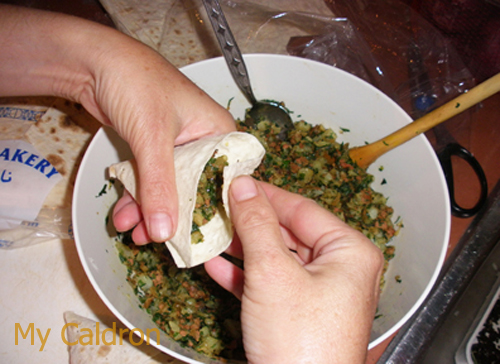
Now, all you need to do is fill the shells one by one, close them with their top parts, and put three or four at the time in a pan already containing hot vegetable oil.
It will take about one minute for each side of the samosa to turn crispy golden. And it takes a lot of oil to get to that perfect golden color without burning it. Remove them from pan and put them in paper towel to extract the excess oil. Never put warm samosas on top of each other.
Serve hot! Absolutely!!

3. Sauce:
Samosa is usually dipped in a very spicy hot sauce. How hot, depends on your taste when you are making it at home. Just mix the ingredients noted above and remember, time makes the sauce hotter; so if like me, you like it hot, make the sauce in advance.
Enjoy!
Perennials1
Posted: 15 June 2011 Filed under: Uncategorized, YARD, for gardening | Tags: gardening_flowers Leave a commentPerennials: The playful rainbow of my garden from May to June: updated 23 May, 2012
Perennials are such a joy to have, as most of them require minimal maintenance, live a relatively long life and most important of all keep surprising you throughout the summer. Over the years, I have planted many types of perennials (trying to restrict my urge to buy diverse gorgeous annuals). The trick is taking into account the blooming period of each perennial type so that by the time one type dies out, another comes to life. This way your flowerbed(s) are always beautiful and colorful. By the way I am far from an expert in gardening, but I do have my own share of experimenting and I absolutely LOVE gardening. Here are some pictures and reports from my yard:

In Montreal (zone 5), tulips and narcissus bulbs come to full growth and bloom from end of April and mid May, depending how warm the weather might be (1).
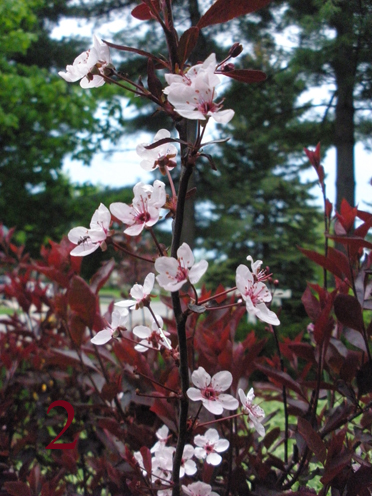
They are still in bloom, when palm cherries’ leave turn red and gradually bloom their pink and scented little flowers. These lovely flowers last only about 15 days unfortunately (2).

Next come the hardy and “invasive” iris, again the flowers won’t last beyond 1-12 days, and they make excellent cut flowers for you vase (3).
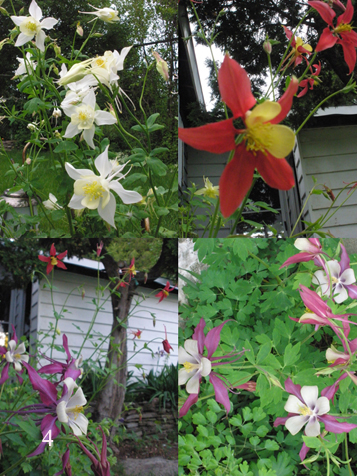
Columbine is the name of this tall delicate flower in picture 4, I have four different colors of them in one of my flowerbeds, and they keep rejuvenating themselves each year through their seeds. For a long time I was convinced that pansy was an annual. Nope! My bi-colored pansies keeps coming up every year.

My gillyflowers start blooming from Mid June and keep it up right to the end of July. Sometime, I get another round of flowers in Mid August! These, too, reproduce themselves through the seeds they shed on the earth.

Finally – for this period of the year, is the night blooming eglantines. I did not even plant them myself, but I love their deep pink and heavenly fragrance which reminds of Kerman (Iran) and its rose fields and the whole process of extracting rosewater from the very similar types of flowers.

Simple gardening tips:
- Prepare and work in your garden one step at the time, so it won’t exhaust you. Do so in harmony with nature. For instance, a day after heavy rain is ideal for weeding.
- Always use insect repellent before going to the garden to start working. Nasty insect bites could take out all the pleasure at the very least!
- Direct, mid day sun, is good only for the plants; not a good time to water, to cut flowers or to work for long hours without protection.
- Use environment friendly pesticides and compost.
Well, keep busy in the garden and stay tuned, there are much more flowers to come soon!
Ghalyeh, Shrimp
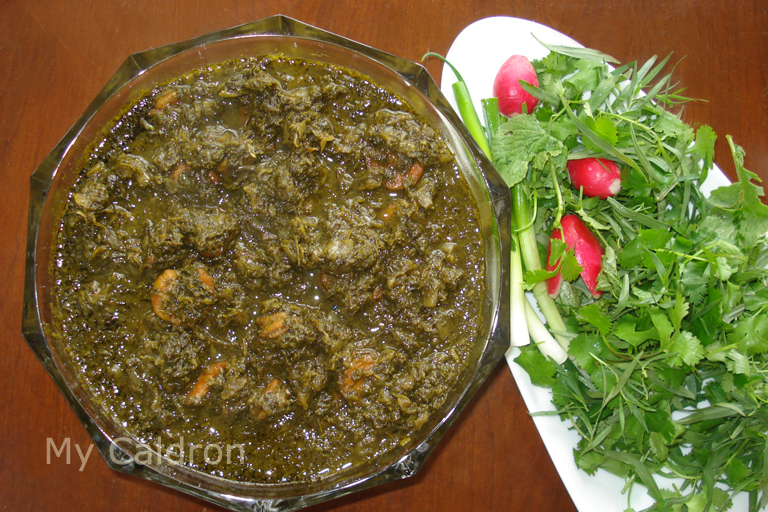
Posted: 7 June 2011 Filed under: Ghalyeh, Shrimp (Ghalyeh Maygoo), KITCHEN, for recipes, Uncategorized | Tags: booteh_recipes; booshehr, Bushehr, food_photography, ghalyeh, main_dish, Persian_ cuisine, Southern_Iran 1 CommentOk… let’s start with one of the most specialized Iranian dishes, which is largely known and appreciated by Iranians of southern cities, Bushehr, Bandarabas and Khuzestan provinces: Ghalyeh is a spicy, thick, dark green fish or shrimp stew (for lack of a better word), which is somehow distinguished from “stew” by southern people and referred to as, well, ghalyeh
Preparing and making of ghalyeh, be it with shrimp or with fish takes a good amount of time a attention; it involves steps which are not complicated but rather fun in fact because the ingredients used, especially the amount we use them, are not standard practices in mainstream Persian cuisine. You will see what I mean soon! So, if this is the first time you are making ghalyeh, allow a lot of preparation time. Also you will need to make several mixes; so try not to occupy yourself with one task while tending to the other
Ingredients (serves 8-10)
- 1.50 kg fresh or frozen (and defrosted) medium size shrimp
- 8 large bunch of fresh coriander, roughly equal to 1 kg, once cut and cleaned.
- 1 bunch of fresh fenugreek or 2-3 tbsp. of dried fenugreek
- 6 medium onions, chopped into small squares
- 2 cups vegetable oil
- 10-11 cloves garlic, peeled
- 1/2 tbsp. turmeric
- 1/2 tbsp. chili powder
- 4-5 raw Tamaraind fruit, peeled.
Method
1. Remove the head, shell, tail and sand vein of the shrimp then wash in a large colander and sprinkle with two full tablespoons of salt. Shake well, letting the shrimp absorb the salt. You will need to rinse them briefly before adding them to your main pot. The trick is not to rinse all the salt off because this releases salt to the stock. Let sit for about 2 hours.
2. Soak the peeled tamarind fruits in lukewarm water at least 2 hours before.
3. Place the peeled garlic cloves in any hard and smooth type of mortar (made of iron or stone, for instance). Add turmeric and powdered chili pepper. Pound and grind the mix with the pestle until you get a dark yellow, pungent paste.
4. Cut off the long stems of coriander near the bottom of each bundle. Once you wash and dry the herb, chop them coarsely and put them aside. You will probably have a lot of trouble finding fresh fenugreek if you live in Montreal or another city in North America, so 2-3 tablespoon of dried fenugreek will work in a pinch, but you need to soak it in a small colander for a few minutes before adding it to the pot.
5. In a big pan, heat vegetable oil over medium-high heat and add the onions so that they are submerged in the hot oil. The onions (and later the herbs) will soak up all the oil already in the pot, which gives an idea of how much oil goes into this dish. Turn the heat down and settle in to monitor the process. The goal is to get a homogenous and glittering golden piaz daagh: not too dark and burned, nor too pale and raw. Note that the onions continue to brown after you remove them from the heat. SO, either take the following step immediately, or remove from the heat before they reach the perfect golden color.
6. Once the onions are glittering golden, add chopped coriander and fenugreek and fry them some more. Add the herbs at the same time only if both are fresh; otherwise, add dry fenugreek near the end of the frying process. The herbs will absorb the oil almost immediately. Do not add any oil, but keep frying the herbs until they lose their fresh green hue.
7. Before the herbs get really dark, add the garlic-chili-turmeric paste and fry for a few more minutes. The garlic component can turn bitter by over frying, so keep it brief. Stir constantly to ensure a perfectly harmonious mix. Right away, a surge of savory fragrance evaporating from the fried paste might actually knock you down!
8. Extract the tamarind’s juice by mildly squeezing it through the colander, then add the briefly rinsed shrimp and one full glass of tamarind juice and enough warm water to just top the mix. Cover and turn the heat down.
The longer you simmer the richer your ghalyeh would taste especially when you are cooking it in a large quantity. But at any rate you should simmer for a minimum of two hours before tasting for adjustment. If you need more sourness, add more tamarind’s juice, but I doubt you would need more hot spice! There are two options for thickening the stock if so required: a) peel one small potato, chop it into sugar-cube sized chunks and add it to the pot along with the shrimp and water, or b) twenty minutes before serving time, dissolve one teaspoon of flour into half a glass of the ghalyeh juice and add it back to the pot. A well-cooked ghalyeh is capable of swirling–down the hallway, out the window and off into neighborhood, making people’s mouths water, heads reel and bowels growl.
Shrimp ghalyeh is often served as lunch or dinner in small or large gatherings with plain white rice, cooked Iranian style of course, but it is sometimes indulged in with different types of Iranian flat breads, accompanied with fresh herbs (sabzi) and raw onion as well.
Get rolling
Posted: 7 June 2011 Filed under: COZY CORNER, Inspired Writing, Uncategorized | Tags: get_rolling, Hope, سر آغاز Leave a comment Good people and things never vanish; they just creep into my dreams once they disappear from my life (and they do that a lot!) That is why I must capture and share, even if only on the air, the remarkable instances of my world before I disappear myself: Here is the plan: two or three times a week, I throw in some or all of the following: edible delights I pull from my kitchen, magical scents and colors I cultivate in my flowerbeds; hopes and despair I carry along the way. Stay tuned!



 My Caldron