
ghormeh sabzi, mixed-herb stew
Posted: 1 December 2011 Filed under: Ghormeh sabzi, mixed herbs stew, KITCHEN, for recipes, Uncategorized | Tags: booteh_recipes, food_photography, ghormeh_sabzi, khoresh sabzi, main_dish, mixed-Herb_stew, Persian_cuisine 9 CommentsGhormeh sabzi, a mixed-herb stew or khoresh, is the signature dish of any Iranian’s kitchen. So much so there is even an anthropological article written entitled “Bastard chicken or Ghormeh Sabzi”, by Lynn Harbottle which I recommend if interested in the strategies Iranian women migrants in UK employ to keep their family healthy through good food and Persian cooking. Now, My recipe:

Ingredients: (serving 5-6) Read the rest of this entry »
Celery stew
Posted: 28 September 2011 Filed under: Celery stew (Karafs1), KITCHEN, for recipes, Uncategorized | Tags: booteh_recipes, celery, food_photography, karafs, khoresh, main_dish, Persin_cuisine Leave a commentThis is one of the few khoreshes without tomatoes! At least this version of it. Two more things: My experiment with making traditional Iranian stews without meat (in fact, by replacing meat with some sort of beans) has been very successful.
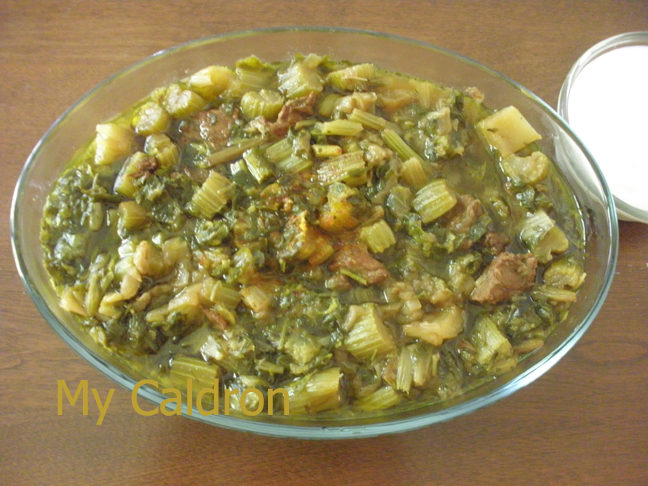
However, celery stew (khoresh karafs) is one of the few, in my opinion, that won’t turn great without meat. And it absolutely must accompany plain rice!
Ingredients(serving 4-5 ) Read the rest of this entry »
Red-lentil stew, vegetarian with tamarind
Posted: 27 September 2011 Filed under: KITCHEN, for recipes, Red-lentil stew (Daal adas), Uncategorized | Tags: Bushehr, food_photography, khoresh, main_dish, Persian_cuisine, red_lentil, vegan, vegeterian 2 CommentsDaal adas is one of the rare meatless Iranian stew and is very popular in South and South-west Iran (Bushehr, Hormozgan and khuzestan provinces), where food is generally more spicy than other parts of the country.
 Like any given khoresh or dish, daal adas is prepared in different ways in various households. The way my Bushehri mom used to cook it, often when she was in hurry, is the one I came to like and learn.
Ingredients: (serving 4-5):
- Red lintel, 2 cups.
- Onion, 1 medium, thinly sliced.
- Potato, 1 medium, skinned and cut in four pieces.
- Garlic cloves (ideally green or fresh) 3-4 cloves, finely minced.
- Tomato sauce 1/2 tbsp. (or one cup of V8).
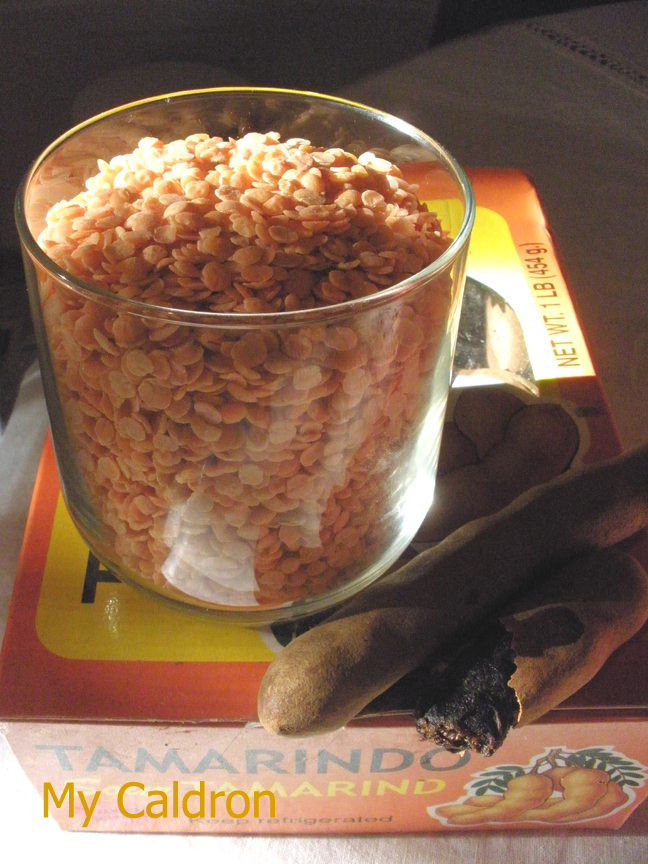
- Tamarind sauce, 3 tbsp (see note and picture below).
- Turmeric, ½ tbs.
- Powdered red pepper, 1/4 tbsp.
- Salt, to the taste.
- Cooking oil, 5 tbsp.
- Water, 4 cups, or 3 cups if you are using V8
Note: I buy fresh tamarind from Middle Eastern stores; they taste wonderful (more sour than sweet) and are very rich. For this recipe, I use one long pod, skin and soak it in 2-3 tbsp of hot water. After 15 minutes, I just squeeze the pod and use the extracted juice for my daal stew.
 Method: Wash the red lentils in cold water by raking with fingers and rinsing until the water runs clear. In a pot, add lentil, potatoes, water/V8, , and salt. Bring to boil and turn to medium heat and cook for half an hour or until the potatoes are soft. With the back of a spoon smash the potatoes against the pot and turn off the heat.
While your lentil is cooking prepare your piaz daagh: That is, in a frying pan sauté onions in hot oil until slightly golden. Stir frequently. Add garlic and sauté just long enough to release the scent. Be careful not to burn them or let them turn brownish because black spots would not look nice in the stew. Add turmeric and red pepper and mix well for two more minutes while still frying. Add fried onion and garlic, as well as the tomato’s paste (if you did not use V8) and tamarind sauce to the pot. Simmer for 5 minutes until you get a homogeneous thick soup. Taste for adjustment. It is ready to be served, with plain rice, of course!
Eggplant stew or khoresh-e bademjaan
Posted: 7 September 2011 Filed under: Eggplant stew (Baademjaan), KITCHEN, for recipes, Uncategorized | Tags: booteh_recipes, food_photography, khoresh, main_dish, Persian_cuisine 2 CommentsGeneral Note: (this seems an old note, but it is not!) Whether for lunch or dinner, one of the most mainstream Iranian main dishes consists of rice – plain, white chelow, or mixed polow— and a meat stew (khoresh). Now…, chelow must always accompany khoresh, while polow, layered with cooked or fried grains, vegetables, prunes, fruits or meat forms a complete dish.
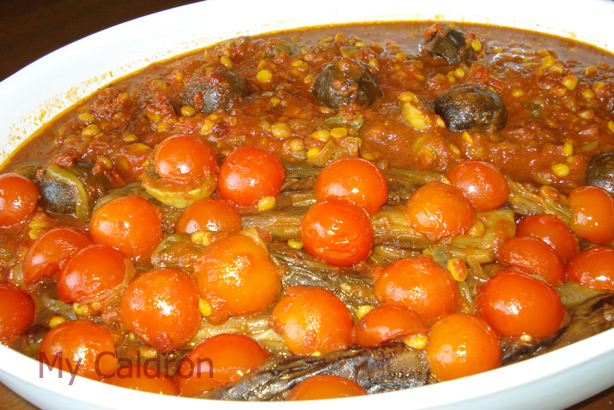
Like mixed polow, Khoresh comes in tens of various tastes, colours and aromas, although they are all started in the same way and follow the same pattern: That is, lamb, beef, veal or chicken is used as the stew base (1), using four ever present ingredients: cooking oil, fried onion or piaz daagh, turmeric and all spice or advieh ( 2). The differentiating element of khoreshes is the specific set of vegetables, fruits, grains, and prunes that are added to them – often after being friend separately (3). I will tag all khoreshes, as I post them here. Let’s start with one of the most popular one: chicken and eggplants stew (khoresh-e joojeh bademjaan)
Ingredients
Glittering golden piaz daagh
Posted: 9 August 2011 Filed under: Glittering golden piaz-daagh, KITCHEN, for recipes, Uncategorized | Tags: booteh_recipes, food_photography, Persian_cuisine 3 CommentsSliced fried onions are the base of most Iranian dishes. They are also used to garnish certain types of dishes, notably aash-e reshteh.
 When used as garnish, onions must be prepared and stir-fried in a special way, resulting in a delicate, crunchy and golden piaz daagh so hard to resist munching as a delicious delicacy! Here is how you do it: Read the rest of this entry »
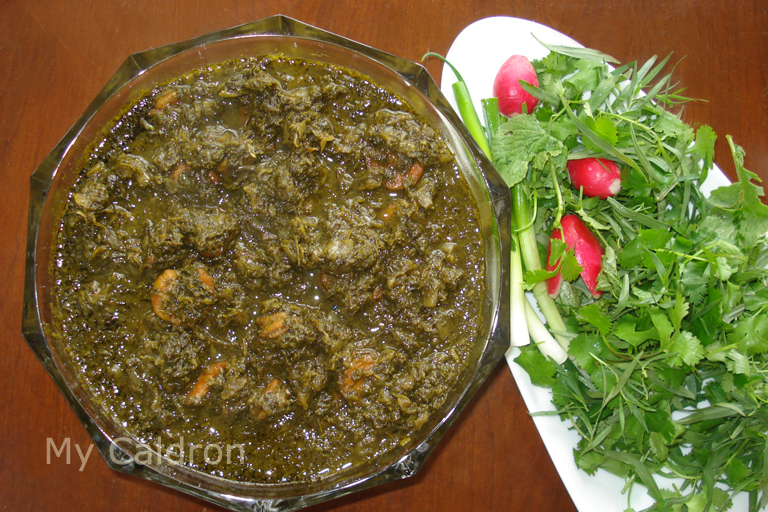
Ghalyeh, Shrimp
Posted: 7 June 2011 Filed under: Ghalyeh, Shrimp (Ghalyeh Maygoo), KITCHEN, for recipes, Uncategorized | Tags: booteh_recipes; booshehr, Bushehr, food_photography, ghalyeh, main_dish, Persian_ cuisine, Southern_Iran 1 CommentOk… let’s start with one of the most specialized Iranian dishes, which is largely known and appreciated by Iranians of southern cities, Bushehr, Bandarabas and Khuzestan provinces: Ghalyeh is a spicy, thick, dark green fish or shrimp stew (for lack of a better word), which is somehow distinguished from “stew” by southern people and referred to as, well, ghalyeh
Preparing and making of ghalyeh, be it with shrimp or with fish takes a good amount of time a attention; it involves steps which are not complicated but rather fun in fact because the ingredients used, especially the amount we use them, are not standard practices in mainstream Persian cuisine. You will see what I mean soon! So, if this is the first time you are making ghalyeh, allow a lot of preparation time. Also you will need to make several mixes; so try not to occupy yourself with one task while tending to the other
Ingredients (serves 8-10)
- 1.50 kg fresh or frozen (and defrosted) medium size shrimp
- 8 large bunch of fresh coriander, roughly equal to 1 kg, once cut and cleaned.
- 1 bunch of fresh fenugreek or 2-3 tbsp. of dried fenugreek
- 6 medium onions, chopped into small squares
- 2 cups vegetable oil
- 10-11 cloves garlic, peeled
- 1/2 tbsp. turmeric
- 1/2 tbsp. chili powder
- 4-5 raw Tamaraind fruit, peeled.
Method
1. Remove the head, shell, tail and sand vein of the shrimp then wash in a large colander and sprinkle with two full tablespoons of salt. Shake well, letting the shrimp absorb the salt. You will need to rinse them briefly before adding them to your main pot. The trick is not to rinse all the salt off because this releases salt to the stock. Let sit for about 2 hours.
2. Soak the peeled tamarind fruits in lukewarm water at least 2 hours before.
3. Place the peeled garlic cloves in any hard and smooth type of mortar (made of iron or stone, for instance). Add turmeric and powdered chili pepper. Pound and grind the mix with the pestle until you get a dark yellow, pungent paste.
4. Cut off the long stems of coriander near the bottom of each bundle. Once you wash and dry the herb, chop them coarsely and put them aside. You will probably have a lot of trouble finding fresh fenugreek if you live in Montreal or another city in North America, so 2-3 tablespoon of dried fenugreek will work in a pinch, but you need to soak it in a small colander for a few minutes before adding it to the pot.
5. In a big pan, heat vegetable oil over medium-high heat and add the onions so that they are submerged in the hot oil. The onions (and later the herbs) will soak up all the oil already in the pot, which gives an idea of how much oil goes into this dish. Turn the heat down and settle in to monitor the process. The goal is to get a homogenous and glittering golden piaz daagh: not too dark and burned, nor too pale and raw. Note that the onions continue to brown after you remove them from the heat. SO, either take the following step immediately, or remove from the heat before they reach the perfect golden color.
6. Once the onions are glittering golden, add chopped coriander and fenugreek and fry them some more. Add the herbs at the same time only if both are fresh; otherwise, add dry fenugreek near the end of the frying process. The herbs will absorb the oil almost immediately. Do not add any oil, but keep frying the herbs until they lose their fresh green hue.
7. Before the herbs get really dark, add the garlic-chili-turmeric paste and fry for a few more minutes. The garlic component can turn bitter by over frying, so keep it brief. Stir constantly to ensure a perfectly harmonious mix. Right away, a surge of savory fragrance evaporating from the fried paste might actually knock you down!
8. Extract the tamarind’s juice by mildly squeezing it through the colander, then add the briefly rinsed shrimp and one full glass of tamarind juice and enough warm water to just top the mix. Cover and turn the heat down.
The longer you simmer the richer your ghalyeh would taste especially when you are cooking it in a large quantity. But at any rate you should simmer for a minimum of two hours before tasting for adjustment. If you need more sourness, add more tamarind’s juice, but I doubt you would need more hot spice! There are two options for thickening the stock if so required: a) peel one small potato, chop it into sugar-cube sized chunks and add it to the pot along with the shrimp and water, or b) twenty minutes before serving time, dissolve one teaspoon of flour into half a glass of the ghalyeh juice and add it back to the pot. A well-cooked ghalyeh is capable of swirling–down the hallway, out the window and off into neighborhood, making people’s mouths water, heads reel and bowels growl.
Shrimp ghalyeh is often served as lunch or dinner in small or large gatherings with plain white rice, cooked Iranian style of course, but it is sometimes indulged in with different types of Iranian flat breads, accompanied with fresh herbs (sabzi) and raw onion as well.



 My Caldron